3 days in Shanghai: a first-time itinerary from the Old City to Pudong
Three efficient days in Shanghai, arranged by area: the Old City and Bund, People's Square and Nanjing Road, then the temples and Pudong skyline.
Three days is enough for a strong first look at Shanghai. You can walk through the lanes and gardens of the old city, see the early-20th-century waterfront on the Bund, spend time with Chinese art, and finish above the towers of Pudong without racing from one end of the city to the other.
This itinerary groups stops by area. It assumes three full days and a moderate walking pace. Opening hours, prices and booking rules below were checked against our Shanghai database in October 2026; recheck them before you go, especially around public holidays.
The route at a glance
| Day | Morning | Afternoon | Evening |
|---|---|---|---|
| 1 | Yu Garden and the City God Temple | Old City lanes and the Bund | Bund lights or a Huangpu River cruise |
| 2 | Shanghai Museum | People's Square and Nanjing Road | Dinner near the city centre |
| 3 | Jade Buddha Temple and Jing'an Temple | Cross to Lujiazui | Shanghai Tower or Oriental Pearl Tower |
Before you start
- Keep your passport with you. You need it for an observation-deck ticket and may need it at museums or for a river cruise.
- Do not put Yu Garden or Shanghai Museum on Monday. Both normally close on Mondays. If one of your three days is Monday, use it for the Bund, Nanjing Road, the temples and Pudong, then move the closed sights to another day.
- Set up mobile payment before arrival. Alipay and WeChat Pay accept international cards. Shanghai Metro also accepts contactless Visa at gates on 21 lines and 517 stations. Our China payment guide explains the setup.
- Choose one paid skyline view. Shanghai Tower and the Oriental Pearl Tower show the same skyline from different angles. Paying for both is unnecessary on a short trip.
Day 1: Yu Garden, the Old City and the Bund
Morning: Yu Garden
Start at Yu Garden (豫园), a compact classical garden in Shanghai's Old City. It opens from 09:00 to 16:30, with last entry at 16:00, and normally closes on Mondays. The database price is ¥40, but the price varies by season, so confirm the amount for your date.
Arrive when it opens. The rockeries, halls, ponds and covered passages feel calmer before tour groups fill the narrow paths. Allow roughly 90 minutes inside rather than trying to photograph every courtyard.
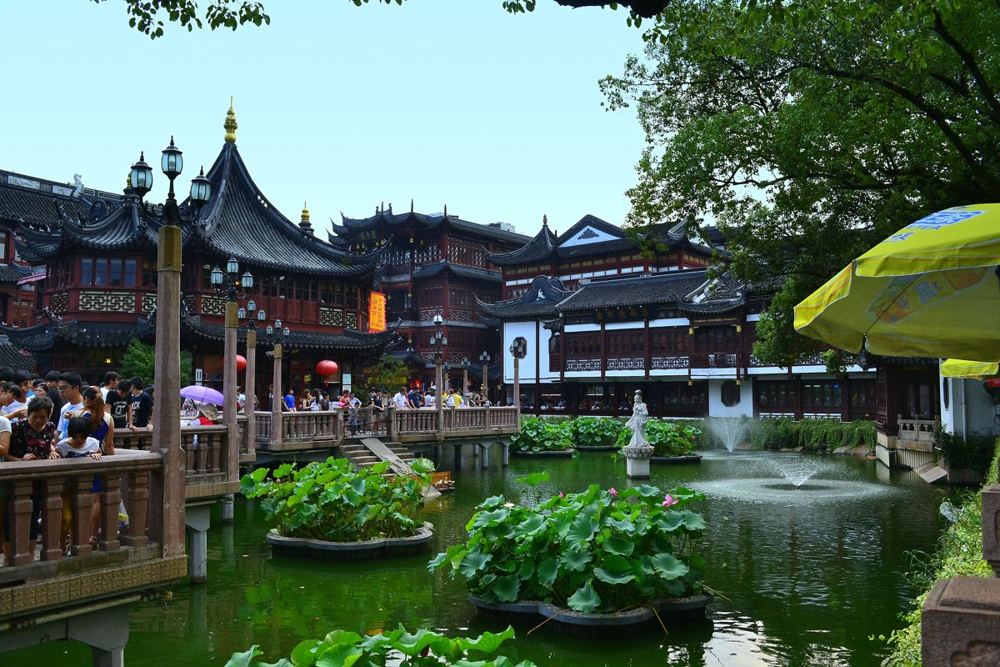
The streets and bazaar around the garden are free to enter. They are much busier and more commercial than the garden itself, but they are an easy place to try two Shanghai staples: xiaolongbao (小笼包), soup dumplings, and shengjianbao (生煎包), pan-fried pork buns. Restaurant details change quickly, so choose a busy shop and check the current menu and price before ordering.
Late morning: City God Temple
The City God Temple (上海城隍庙) is beside the Yu Garden area. The Taoist temple is different from the surrounding shopping streets: entry to the temple itself is listed at ¥10, while the bazaar is free. Normal hours are 08:30–16:30, with earlier opening on the first and fifteenth days of the lunar month.
If religious sites are not a priority, spend the extra time walking the old-city streets instead. The important thing is not to confuse the free commercial area, the separately ticketed garden and the separately ticketed temple.
Afternoon: walk the Bund
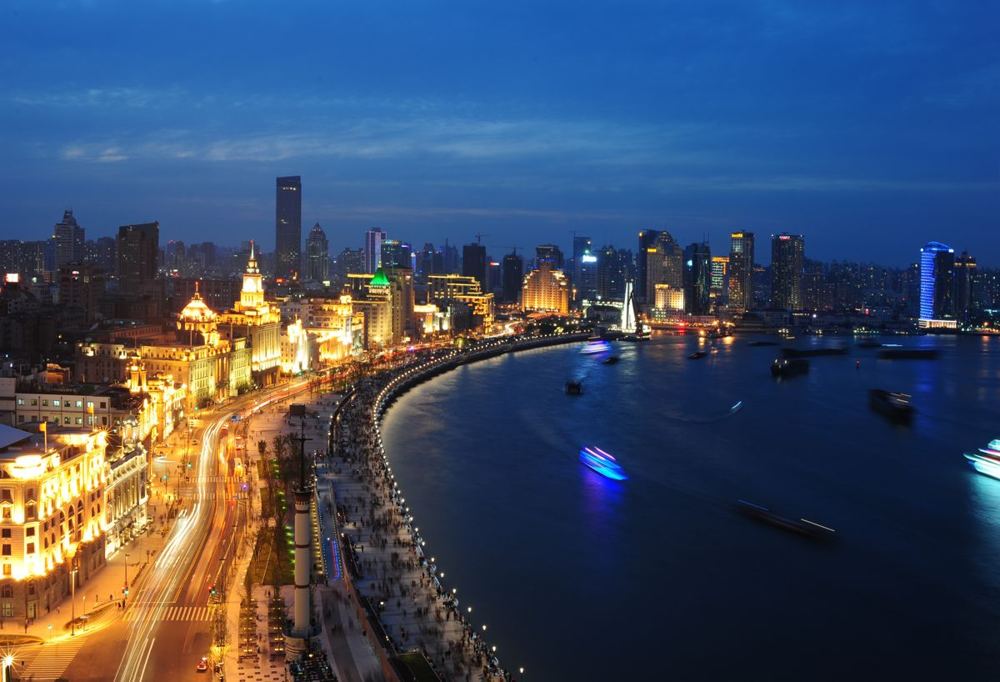
Continue to the Bund (外滩). The riverside promenade is free and open 24 hours. On one side are the stone façades of the former banks and trading houses; across the Huangpu River is the Pudong skyline.
Walk north or south at your own pace and stay through dusk if visibility is good. You do not need a ticket or reservation for the Bund itself. Paid products advertised nearby are cruises, the sightseeing tunnel or other add-ons, not an entrance ticket to the waterfront.
Evening: promenade or river cruise
The simplest evening is to remain on the Bund as the skyline lights come on. For a view of both banks at once, take a Huangpu River night cruise (浦江游览). The standard on-site adult price in the database is ¥150, while advance online prices and departure points vary. Real-name checks are used: bookings may require every passenger's full name and passport number, and you should bring the original passport to collect the paper ticket and board.
Book ahead for busy dates and follow the wharf and exchange instructions printed on your own ticket. Do not rely on a generic boarding point found in an old blog post.
Day 2: Shanghai Museum and Nanjing Road
Morning: Shanghai Museum
Begin at the Shanghai Museum (上海博物馆) on People's Square. General admission is free. Since 1 September 2025, the People's Square building has allowed walk-in entry with a passport on normal days; peak days and major exhibitions may still require a QR-code booking. It opens 09:00–17:00, last entry 16:00, and closes on Mondays.
Give the museum at least two hours. Rather than trying to complete every gallery, choose the collections that interest you most and leave some energy for the afternoon. Check the museum's official notice before the visit in case a special exhibition changes access.
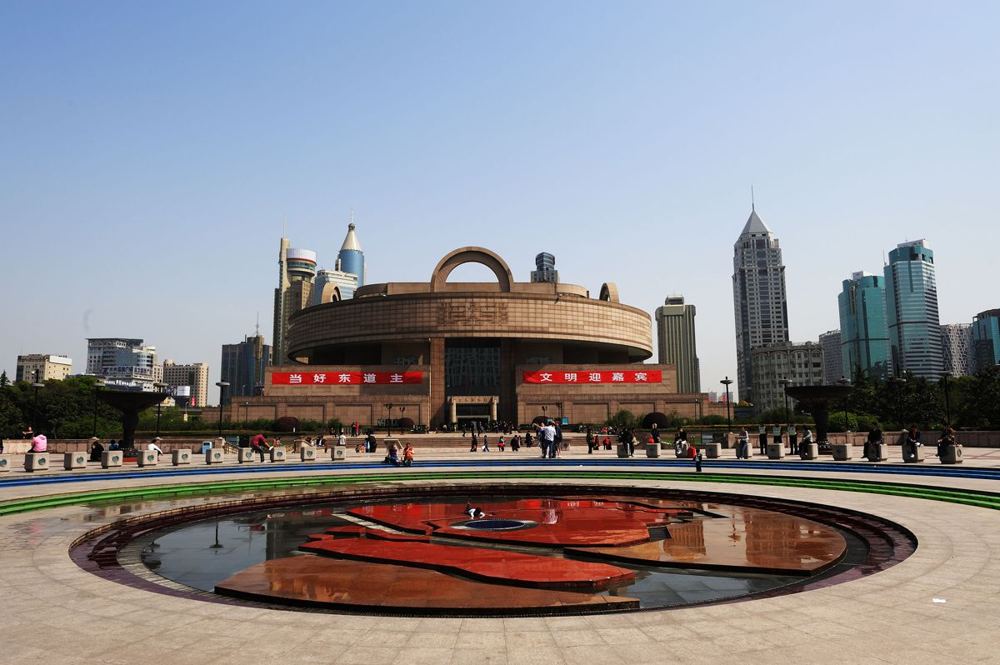
After the museum, take a short break around People's Square or People's Park. The park is free, but published opening hours disagree, so treat it as an optional daytime stop rather than building the day around a precise closing time.
Afternoon: Nanjing Road
Walk east along Nanjing Road Pedestrian Street (南京路步行街). The street itself is free and open 24 hours; individual shops and restaurants keep their own hours. It is crowded and commercial, but it connects People's Square naturally with the Bund and gives a useful contrast to the previous day's garden and temple.
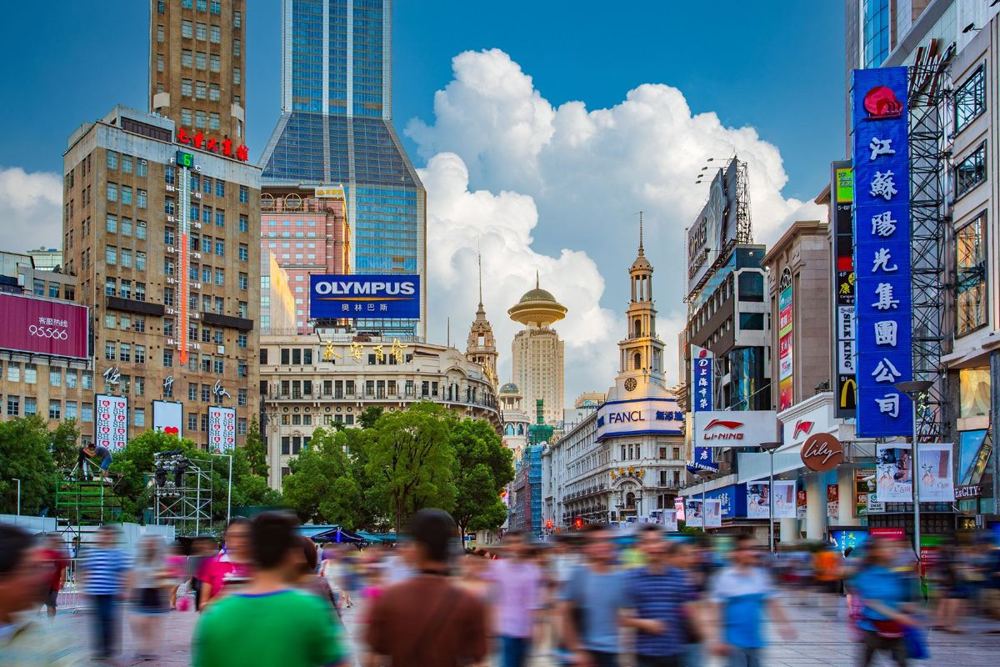
You may end up back at the Bund. That is not wasted repetition: the waterfront looks different in daylight, at blue hour and after dark. If you cruised on day 1, use this evening for a relaxed meal instead.
For dinner, look for a Shanghai dish rather than a specific must-visit restaurant. Useful names to show staff include 红烧肉 (red-braised pork belly), 葱油拌面 (scallion-oil noodles), 白斩鸡 (poached chicken) and 四喜烤麸 (braised wheat gluten, usually vegetarian). Ask about ingredients if you have dietary restrictions.
Day 3: temples and the Pudong skyline
Morning: two contrasting temples
Start at the Jade Buddha Temple (玉佛禅寺). Normal entry is free, no general advance booking is required, and ordinary hours are 08:00–16:30. Lunar festival dates can have different hours or reservation rules, so check again if your trip overlaps one.
Continue to Jing'an Temple (静安寺). The current database price is ¥50, and normal hours are 07:30–17:00. Advance booking is recommended because tickets can sell out. Use your legal name and passport number exactly as printed in your passport, then bring the physical passport to exchange the voucher if required.
If you prefer contemporary art to a second temple, replace Jing'an with the Power Station of Art (上海当代艺术博物馆). General admission is free, major exhibitions may cost extra, and the museum normally opens 11:00–19:00 Tuesday to Sunday.
Afternoon and evening: Lujiazui
Cross the river to Lujiazui and choose one observation deck.
Shanghai Tower (上海中心大厦) is the straightforward choice for height. The observation deck is listed at ¥180 and opens 08:30–22:00. Book a time slot online and bring your passport for security.
Oriental Pearl Tower (东方明珠广播电视塔) is the more recognisable Shanghai landmark. Its ¥199 standard package includes several viewing levels and the city history museum. It opens 09:00–21:00, with last entry at 20:30; tickets can be bought online or on site, and a passport is needed.
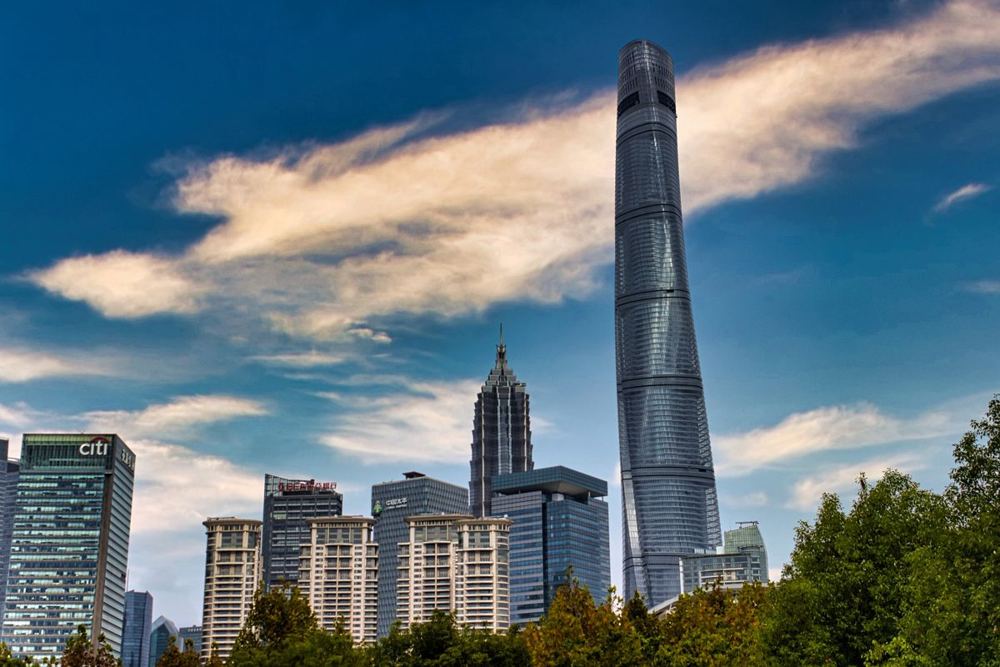
Book the later part of the afternoon if you want daylight and night views from one visit, but allow for haze or rain. If the skyline is hidden, skip the expensive deck rather than forcing the plan: walk around Lujiazui and use the time for the Power Station of Art or another indoor stop.
What to book in advance
For this route, the essential preparation is light:
- Shanghai Tower: reserve a time slot online.
- Jing'an Temple: advance booking is recommended; enter passport details exactly.
- Huangpu River cruise: reserve on busy dates and follow the ticket's named wharf and exchange time.
- Shanghai Museum: normally free walk-in with a passport, but check whether your date or exhibition requires a QR booking.
Yu Garden, the City God Temple, the Bund, Nanjing Road and the Jade Buddha Temple do not normally require advance booking. Rules can change around public holidays and lunar festivals. See our broader guide to China attractions that need advance booking before finalising the trip.
If you have an extra day
Zhujiajiao Water Town (朱家角古镇) is the easiest addition from the Shanghai list. The old-town streets are free and open around the clock, while individual gardens, museums and boat rides charge separately. Treat it as a day trip rather than squeezing it into the three-day core.
Another option is Shanghai Disneyland, but it needs its own full day and real-name booking. Tickets use a date-based price calendar; book through the resort's official app or WeChat and bring the original passport used for the purchase.
Make the route fit your trip
This plan is deliberately broad. A Nihao Plan guide rebuilds the days around your hotel, arrival time, interests, travel pace and actual dates, then checks weather and attraction notices before departure.
Frequently asked questions
Is 3 days enough for Shanghai?
Yes. Three full days are enough for the Old City and Yu Garden, the Bund, Shanghai Museum, Nanjing Road, two temples and one Pudong observation deck at a moderate pace. Add a fourth day for Zhujiajiao, Disneyland or more museums.
What should I book before a 3-day Shanghai trip?
Book a time slot for Shanghai Tower, reserve Jing'an Temple in advance when possible, and prebook a Huangpu River cruise on busy dates. Shanghai Museum is normally free walk-in with a passport, but peak days and major exhibitions may require a QR booking.
Is Yu Garden open on Monday?
No. Yu Garden normally closes on Mondays, except when special holiday arrangements are announced. Shanghai Museum and the Power Station of Art also normally close on Mondays, so use Monday for the Bund, Nanjing Road, the temples and Pudong.
Should I visit Shanghai Tower or the Oriental Pearl Tower?
Choose Shanghai Tower for the higher observation-deck experience and the Oriental Pearl Tower for the iconic structure plus its city history museum. On a three-day trip, visit one rather than paying for both.
Do I need to carry my passport while sightseeing in Shanghai?
Yes. Carry the original passport used for any real-name booking. It may be required for Shanghai Tower security, Oriental Pearl Tower tickets, Shanghai Museum entry, Jing'an Temple voucher exchange and Huangpu River cruise boarding.
Want this planned for you?
Build my guide