10 day China itinerary: Beijing, Xi'an and Shanghai
A first-trip route through China's three classic city stops, with four days in Beijing, two in Xi'an and four in Shanghai including travel days.
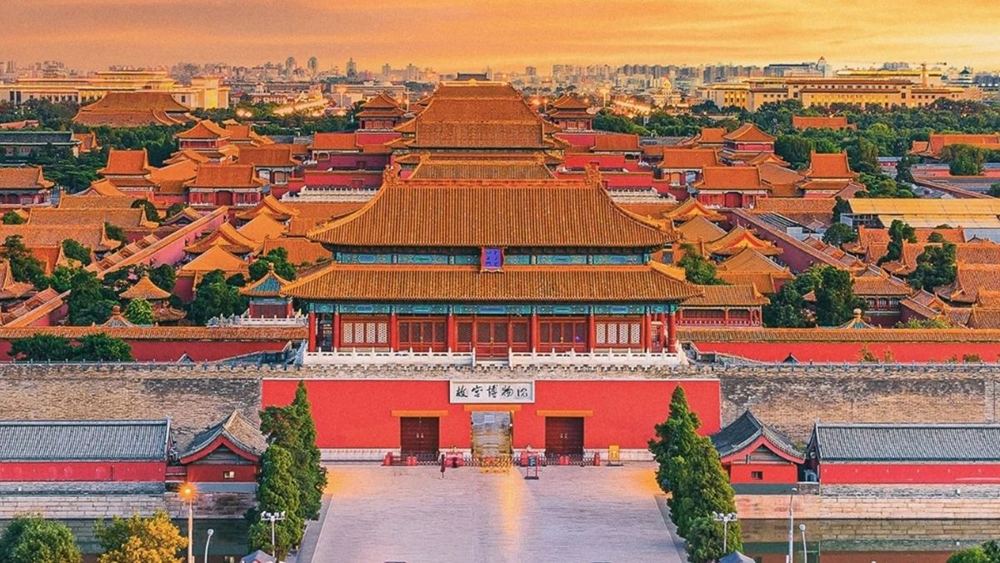
This 10 day China itinerary runs through Beijing, Xi'an and Shanghai: imperial palaces and the Great Wall, the Qin and Tang capital, then the country's most recognisable modern skyline. Ten days is enough if you accept that two days include intercity travel and resist adding another destination.
This itinerary runs Beijing → Xi'an → Shanghai, but it also works in reverse. Prices, hours and booking rules were checked against our city databases in October 2026. Train schedules and attraction notices change, so confirm them for your dates.
| Day | Base | Plan |
|---|---|---|
| 1 | Beijing | Tiananmen Square, Forbidden City, Jingshan Park |
| 2 | Beijing | Mutianyu Great Wall |
| 3 | Beijing | Temple of Heaven and Lama Temple |
| 4 | Beijing → Xi'an | Summer Palace, then travel to Xi'an |
| 5 | Xi'an | Terracotta Army |
| 6 | Xi'an | History museum, pagoda and city wall |
| 7 | Xi'an → Shanghai | Travel, then Nanjing Road |
| 8 | Shanghai | Yu Garden, City God Temple and the Bund |
| 9 | Shanghai | Shanghai Museum and the central city |
| 10 | Shanghai | Temples and one Pudong observation deck |
Before booking flights
An open-jaw flight is usually the cleanest shape: arrive in Beijing and leave from Shanghai, or reverse it. That avoids spending part of day 10 returning to the first city.
Do not assume that a ten-calendar-day plan automatically qualifies for China's 240-hour visa-free transit. Eligibility depends on nationality, the exact arrival and departure times, designated ports, permitted areas and travel onward to a third country or region. Check the current rule with our 240-hour transit checker, then confirm it with the National Immigration Administration or your airline before booking.
For trains, China Railway normally opens sales 15 days ahead including the travel date, though the exact release time varies by station. Use the free train sale-date calculator and verify the result in the official 12306 channel. The 12306 guide covers a foreign passport at that checkout. If the card is refused, China high-speed train tickets from a reseller are a fallback, not a second official channel. Third-party prices can be higher than the official ticket price. We may earn a commission from this link, at no extra cost to you.
Days 1–4: Beijing
Day 1: Tiananmen, Forbidden City and Jingshan
Start with Tiananmen Square (天安门广场). Entry is free but requires a timed reservation 1–7 days ahead in the official WeChat mini-program. Every guest needs the original passport used to book.
Continue through the Meridian Gate into the Forbidden City (故宫博物院). Tickets are ¥60 from April to October and ¥40 from November to March. There are no same-day tickets: official slots open at 20:00 Beijing time seven days ahead. The palace closes on Mondays.
Finish at Jingshan Park (景山公园), immediately north of the palace. Admission is normally ¥2 and the hill gives the classic view over the Forbidden City roofs.
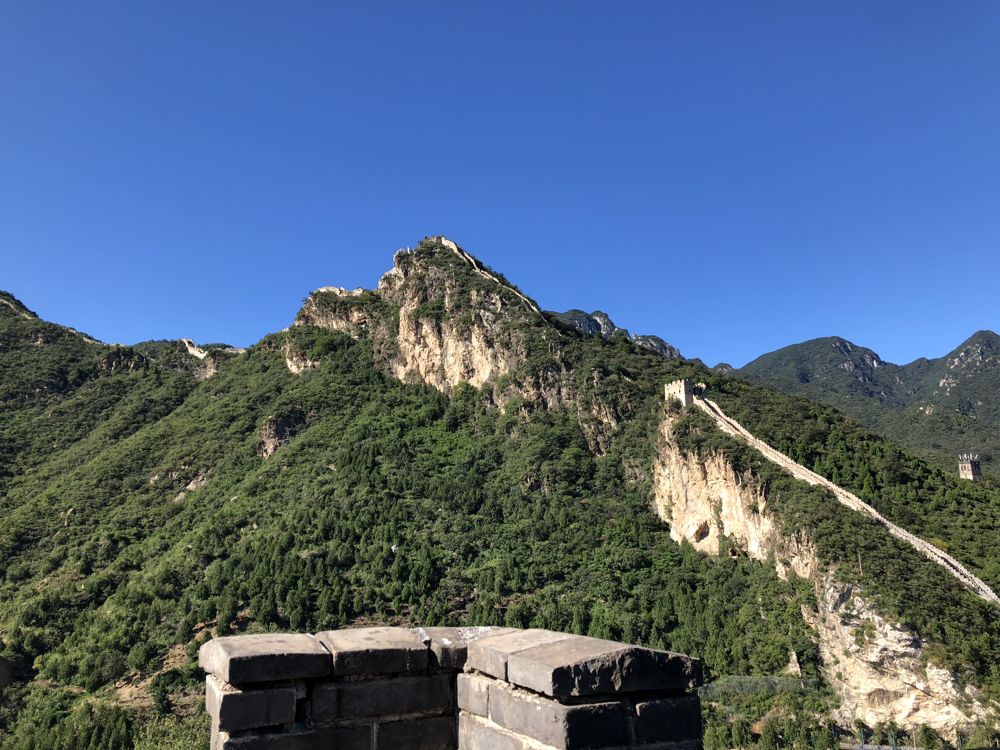
Day 2: Mutianyu Great Wall
Give a full outing to the Mutianyu Great Wall (慕田峪长城). Entry is about ¥40–45, with a separate ¥15 shuttle bus; cable car, chairlift and toboggan cost extra.
Real-name tickets can be booked up to 15 days ahead, one per passport per day. Bring the passport used for booking. Cable-car products are gate-specific, so read the ticket before choosing transport on the wall. The checked notes do not name a city bus to Mutianyu. Day tours with transport are a third-party way to get there. Third-party prices can be higher than the official ticket price. We may earn a commission from this link, at no extra cost to you. Entry is still real-name: one ticket per passport per day.
Day 3: Temple of Heaven and Lama Temple
Visit the Temple of Heaven (天坛公园) in the morning. The ¥34 combination ticket covers the Hall of Prayer for Good Harvests, Echo Wall and Circular Mound; the park-only ticket is ¥15. The halls normally close on Mondays even though the park remains open.
In the afternoon, go to the Lama Temple (雍和宫). Admission is ¥25. Timed tickets open seven days ahead at midnight in the official mini-program; walk-up entry depends on same-day availability.
Day 4: Summer Palace, then Xi'an
Use the morning for the Summer Palace (颐和园). Admission is ¥30 from April to October and ¥20 from November to March, with some halls charged separately. Allow around three hours.
Travel to Xi'an later in the day. Keep the evening unplanned: finding the hotel and eating is enough after a long rail or airport transfer.
Days 5–7: Xi'an
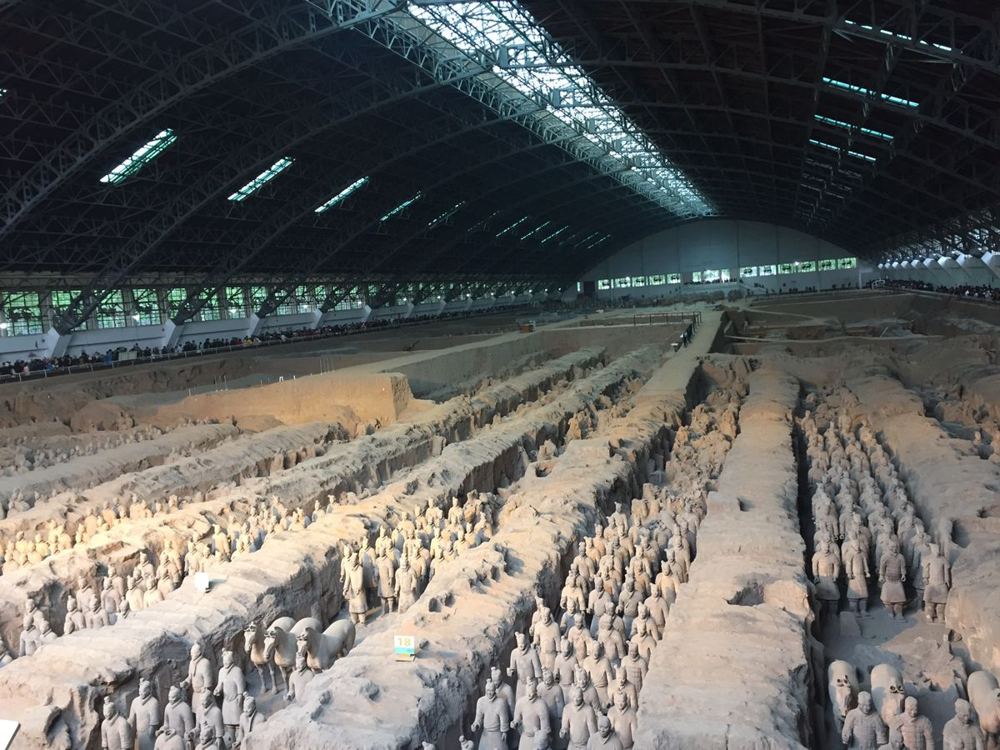
Day 5: Terracotta Army
Book the Terracotta Army (秦始皇帝陵博物院) up to seven days ahead through the official museum website or WeChat account. Select Passport as the ID type and bring the same document.
Admission is ¥120 all year and includes the shuttle to Lishan Garden. Allow about four hours at the museum before deciding whether to add the tomb-mound area.
Day 6: museum, pagoda and wall
Begin at the Shaanxi History Museum. The main galleries are free, but a timed booking is compulsory and there are no tickets at the door. Slots open five days ahead at 17:00; the museum closes on Mondays.
Continue to the Giant Wild Goose Pagoda. Entry to Daci'en Temple is ¥40 in peak season or ¥30 off-season, with a separate ticket to climb the pagoda. The site normally closes on Mondays.
End on the Xi'an City Wall. Admission is ¥54. The South Gate normally remains open until 22:00, making late afternoon and evening the most flexible time.
Day 7: travel to Shanghai
Take the train or a flight to Shanghai. Do not schedule a timed museum ticket on a travel day. If arrival is smooth, walk Nanjing Road (南京路步行街), which is free and open around the clock.
Days 8–10: Shanghai
Day 8: Old City and the Bund
Start at Yu Garden (豫园), open 09:00–16:30 with last entry at 16:00. The database price is ¥40, but seasonal pricing can vary. Yu Garden normally closes on Mondays.
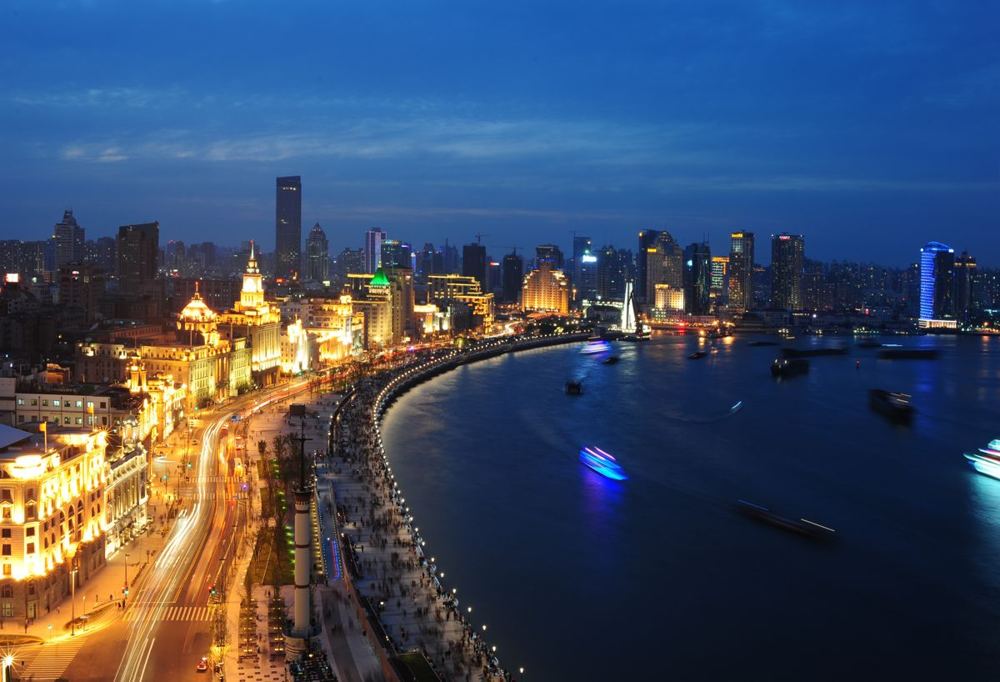
The nearby City God Temple (上海城隍庙) is separately ticketed at ¥10; the surrounding bazaar is free. Continue to the Bund (外滩), which is free and open 24 hours, and stay through dusk if visibility is good.
Day 9: Shanghai Museum and the centre
Visit the Shanghai Museum (上海博物馆) on People's Square. General admission is free. The museum normally accepts walk-in visitors with a passport, though peak days and major exhibitions can require a QR booking. It closes on Mondays.
Use the afternoon for People's Square, Nanjing Road or a second walk on the Bund. This deliberately lighter day gives the route room to recover from the previous day's intercity journey.
Day 10: temples and Pudong
Start at the Jade Buddha Temple (玉佛禅寺), which is normally free and open 08:00–16:30. Continue to Jing'an Temple (静安寺), listed at ¥50; advance booking is recommended and passport details must match the physical document.
Finish in Lujiazui with one observation deck. Shanghai Tower costs ¥180 and requires a time slot. The Oriental Pearl Tower standard package is ¥199 and includes several viewing levels plus the city history museum. Choose one, not both.
The Monday problem
This route crosses several Monday closures:
- Forbidden City and National Museum in Beijing
- Shaanxi History Museum and Giant Wild Goose Pagoda in Xi'an
- Yu Garden, Shanghai Museum and Power Station of Art in Shanghai
If Monday lands in Beijing, use it for the Great Wall, Summer Palace or Lama Temple. In Xi'an, use it for the Terracotta Army and city wall. In Shanghai, use it for the Bund, Nanjing Road, temples and Pudong. Check holiday exceptions before fixing the order.
What to reserve, in order of urgency
- Forbidden City: seven days ahead at 20:00; no same-day tickets.
- Shaanxi History Museum: five days ahead at 17:00; no door tickets.
- Terracotta Army: up to seven days ahead.
- Tiananmen Square, Great Wall and Beijing temple tickets: reserve when their windows open.
- Intercity trains: normally 15 days ahead including the travel date.
- Shanghai Tower and Jing'an Temple: reserve once the city days are fixed.
Read the full advance-booking guide and carry the original passport used for every real-name booking.
From 10 days to a 2 week China itinerary
Four extra days turn this route into a 2 week China itinerary. Keep Beijing, Xi'an and Shanghai, and spend the extra time in those cities.
A fifth day in Beijing. The 4-day Beijing itinerary already lists sights this 10 day plan skips. Use the extra day for the National Museum of China, which is free, closed on Monday, and reserved with a passport up to seven days ahead (09:00–17:00, last entry 16:00). If you would rather walk than take another museum, Beihai Park is ¥10 from April to October and ¥5 from November to March, with no booking in the checked record, and the Old Summer Palace is a ¥10 park ticket, or ¥25 if you add the Western Mansions. Do not stack Badaling and the Ming Tombs on top of Mutianyu unless that combination has its own day. The 4-day Beijing article says four days are not enough for both wall sections plus the tombs.
A third day in Xi'an. Leave it for Mount Huashan. The 2-day Xi'an itinerary says the mountain is not a side trip after the Terracotta Army. The checked gate ticket is real-name: ¥160 from March through November and ¥100 from December through February. Cable cars, the station bus and the train to Huashan North are in that article, not repeated here.
Two days at the Shanghai end. Keep the Shanghai days in the table, then add Zhujiajiao and either Suzhou or Hangzhou. The Shanghai itinerary sets those two days out, and the Hangzhou and Shanghai museums guide is the museum version of a Hangzhou day. Fourteen calendar days run longer than 240 hours, so length alone keeps this extension outside visa-free transit. The checker note above still applies.
Make ten days feel less generic
A Nihao Plan guide reshapes this route around your flights, hotels, interests, pace and ticket slots. It also checks weather and current attraction notices close to departure.
Frequently asked questions
Is 10 days enough for Beijing, Xi'an and Shanghai?
Yes, if you stay with the three cities. Four Beijing days, two Xi'an days and four Shanghai days including travel cover the headline sights without adding another destination.
How do I extend this to a 2 week China itinerary?
Add four days inside the same three cities: a fifth Beijing day for the National Museum or for Beihai and the Old Summer Palace, a third Xi'an day for Mount Huashan, and two days at the Shanghai end for Zhujiajiao plus Suzhou or Hangzhou. That is a 2 week China itinerary, not a fourth region. Fourteen calendar days are even less likely than ten to fit 240-hour visa-free transit.
Should I travel Beijing to Xi'an to Shanghai, or reverse it?
Either direction works. Choose the direction that gives you the better international flights and avoids placing the Forbidden City, Shaanxi History Museum or Yu Garden on a Monday.
Can I take high-speed trains for the whole route?
Beijing–Xi'an and Xi'an–Shanghai are both standard rail journeys, but schedules and journey times vary by date and service. Check 12306 when sales open and compare the Xi'an–Shanghai train with a flight if time matters more than the rail experience.
Does this itinerary qualify for 240-hour visa-free transit?
Not automatically. Ten calendar days can exceed the permitted period depending on arrival and departure times, and the route must satisfy nationality, port, permitted-area and third-country rules. Use the transit checker, then confirm with official authorities and the airline.
Which attraction should I book first?
Prioritise the Forbidden City because it has no same-day tickets and popular dates sell out. Next secure Shaanxi History Museum, the Terracotta Army and your intercity trains.
Want this planned for you?
Build my guide