Chengdu itinerary: 3 days of pandas, teahouses and Dujiangyan
Three balanced days in Chengdu: see pandas early, slow down in the old centre, explore Wuhou history and spend a day at Dujiangyan.

This Chengdu itinerary keeps a slower pace. The headline sight is the Giant Panda Base, but a first visit should also leave room for temples, parks, tea and Sichuan history. With three days, use two in the city and one for Dujiangyan rather than forcing several distant excursions into the same trip.
This route assumes three full days. Prices, hours and booking rules were checked against our Chengdu database in October 2026. Confirm them again before departure.
| Day | Morning | Afternoon | Evening |
|---|---|---|---|
| 1 | Panda Base | Wenshu Monastery | Chunxi Road and Taikoo Li |
| 2 | Wuhou Shrine and Jinli | Du Fu Thatched Cottage and People's Park | Anshun Bridge |
| 3 | Dujiangyan Irrigation System | Continue Dujiangyan | Return to Chengdu |
Book first
- Panda Base: real-name tickets can be booked up to 14 days ahead through the base's WeChat account or mini-program, or through Trip.com. Book with your passport and bring the original.
- Wuhou Shrine: advance real-name booking is required. Official sales open 14 days ahead, and the online system accepts passports.
- Dujiangyan: all visitors need a real-name timed reservation. Tickets can be booked for the next 15 days through official or authorised channels, with Passport available for foreign visitors.
Do not wait until the night before during weekends or Chinese public holidays. Several of those bookings open in WeChat. A travel data card is enough for that after you land. See data-card plans. We may earn a commission from this link. Compare plan terms and price with the provider.
Day 1: pandas, a monastery and modern Chengdu
Early morning: Chengdu Panda Base
Arrive early at the Chengdu Research Base of Giant Panda Breeding (成都大熊猫繁育研究基地). Admission is ¥55. Entry hours are 07:30–17:00, or 08:00–16:30 from November to February.
Pandas are usually most active before 10:00, so this is not a morning to sleep in. Allow about four hours and accept that the park involves substantial walking. Check the current map and open enclosures when you arrive rather than chasing a fixed list from an old itinerary.
Afternoon: Wenshu Monastery
Return to the centre for Wenshu Monastery (文殊院). Entry is free, no reservation is required, and normal hours are 08:00–17:00. Free environmentally friendly incense is available at the gate; visitors may not bring their own incense, candles or paper offerings inside.
The surrounding area suits a slower lunch and tea break. Try Chengdu flavours, but treat spice level as a real choice rather than a challenge: ask for 微辣 (mildly spicy) if needed.
Evening: Chunxi Road and Taikoo Li
Finish around Chunxi Road (春熙路) and Taikoo Li Chengdu (成都远洋太古里). Both open urban districts are free to enter; shops and restaurants set their own hours.
This is modern, commercial Chengdu rather than a heritage attraction. Keep the evening flexible for food, shopping or an early night after the panda-base start.
Day 2: Three Kingdoms history and the relaxed centre
Morning: Wuhou Shrine and Jinli
Start at Wuhou Shrine (成都武侯祠), associated with Zhuge Liang and the Shu kingdom of the Three Kingdoms period. A standard ticket is ¥50, normal hours are 08:30–18:00, and advance real-name booking is required.
The official website and WeChat account sell tickets up to 14 days ahead. Use the same passport details that you will show at entry.
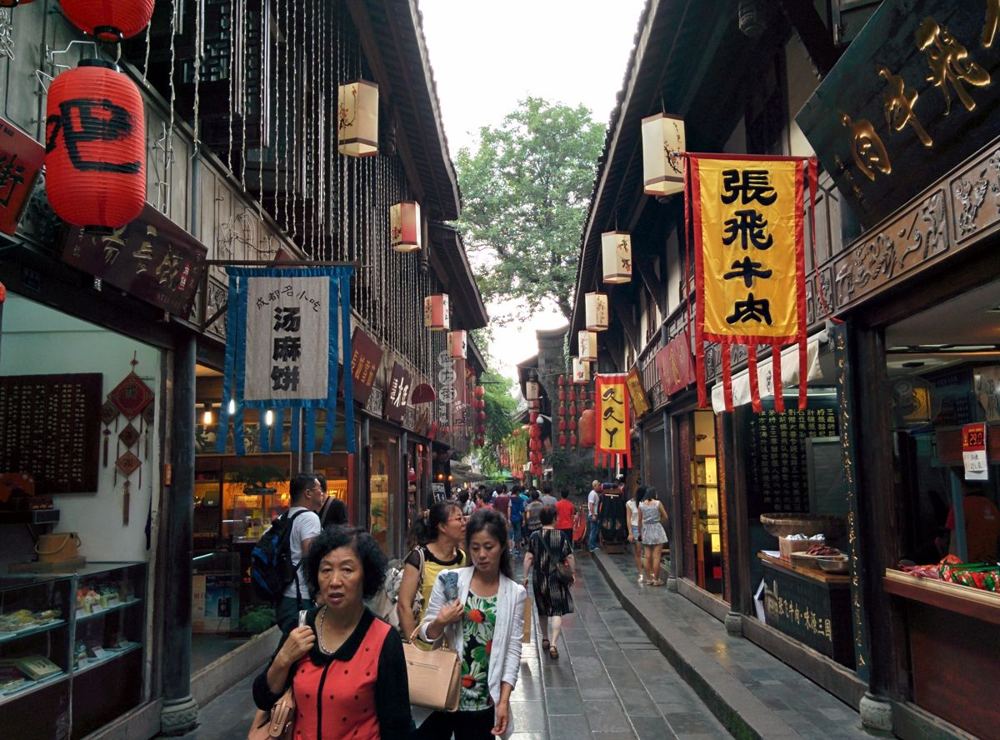
Next door, Jinli Ancient Street (锦里古街) is free and the street area is open around the clock. Individual performances, shops and food cost extra. It is tourist-oriented, but the pairing with Wuhou Shrine is efficient and requires no extra cross-city journey.
Afternoon: Du Fu Thatched Cottage
Continue to Du Fu Thatched Cottage (杜甫草堂). Admission is ¥50 and normal hours are 09:00–18:00, with ticket sales ending at 17:00.
Real-name booking is available up to 14 days ahead. Foreign visitors using a passport may need to exchange the booking for a paper ticket at the window, so carry the original document and leave time for the manual process.
Late afternoon: People's Park
Use People's Park (人民公园) for the unhurried part of the itinerary. General admission is free. The database lists the park as open 24 hours, though individual teahouses and facilities keep their own schedules.
The point is not to complete a sightseeing checklist. Sit down, order tea if you want it, and watch the park operate around you.
Evening: Anshun Bridge
End with the riverside around Anshun Bridge (安顺廊桥). The bridge and riverside walk are free and accessible around the clock. River cruises and restaurants are separate paid activities.
Day 3: Dujiangyan
Give the last day to the Dujiangyan Irrigation System (都江堰景区). This ancient water-control landscape works better as a substantial visit than as a hurried add-on after another major excursion.
Adult admission is ¥80 from March to October and ¥60 from November to February. Normal hours are 08:00–18:00. Optional shuttle buses, escalator and audio guide cost extra.
All visitors must book a real-name timed slot. The official WeChat accounts are 青城山都江堰 and 悦游都江堰; authorised Meituan and Ctrip channels are also listed. Foreign visitors can select a passport or foreign residence permit and use the staffed entry channel.
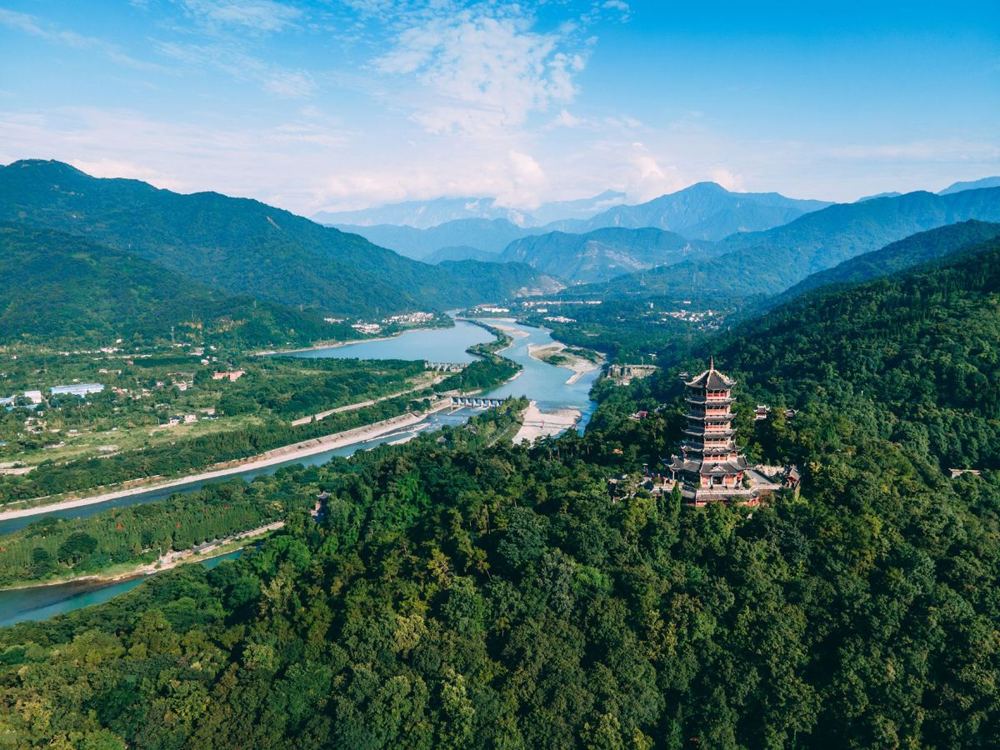
Allow roughly four hours inside and keep the rest of the day for travelling back, eating and resting. Combining Dujiangyan with Mount Qingcheng is possible only with a very early start and a fast pace; Mount Qingcheng alone needs around six hours and has separate front- and back-mountain tickets.
Food without a fragile restaurant list
Chengdu restaurants change faster than monuments. Instead of crossing the city for one famous shop, look for dishes that fit the area you are already visiting. Useful names include 担担面 (dandan noodles), 麻婆豆腐 (mapo tofu), 回锅肉 (twice-cooked pork) and 甜水面 (sweet water noodles). Ask about meat stock and lard if you are vegetarian.
For payments, set up Alipay before arrival and keep WeChat Pay as a backup. Our China payment guide covers foreign cards and fees.
If you prefer archaeology or a longer day trip
Replace Dujiangyan with the Sanxingdui Museum if Bronze Age archaeology is your priority. Admission is ¥72 and tickets are released at 20:00 five days ahead. Foreign visitors use the separate inbound-visitor booking entry and bring the original passport.
The Leshan Giant Buddha is another full-day option. The mountain ticket is ¥80, and real-name timed booking is required. Do not try to combine Leshan and Sanxingdui in one day.
Make the three days yours
A Nihao Plan guide adjusts Chengdu for your hotel, pace, food preferences and exact ticket slots, then checks weather and attraction notices before you leave.
Frequently asked questions
Are 3 days enough for a Chengdu itinerary?
Three full days are enough for the Panda Base, central temples and parks, Wuhou Shrine, Jinli, Du Fu Thatched Cottage and one day trip to Dujiangyan. Add a fourth day for Sanxingdui, Leshan or Mount Qingcheng.
How early should I visit the Chengdu Panda Base?
Arrive close to opening. Entry starts at 07:30 for most of the year and 08:00 from November to February, and pandas are usually most active before 10:00.
Can foreign visitors book Chengdu attractions with a passport?
The Panda Base, Wuhou Shrine and Dujiangyan all provide a passport route. Bring the original passport used to book. Some sites require a staffed gate or paper-ticket exchange.
Should I choose Dujiangyan or Sanxingdui?
Choose Dujiangyan for engineering history and an outdoor landscape. Choose Sanxingdui for archaeology and extraordinary bronze objects. Each deserves most of a day, so do not combine them on a three-day first visit.
What can I do in Chengdu without a ticket?
Wenshu Monastery, Jinli Ancient Street, People's Park, Chunxi Road, Taikoo Li and the Anshun Bridge riverside are free to enter. Shops, tea, performances and special activities cost extra.
Want this planned for you?
Build my guide