Best time to visit China: weather by month
There is no single best month for the whole country. Here is how the seasons differ by region, what the official 2027 holidays do to the trains, and where the winter detail lives.

The best time to visit China depends on the region you are standing in. This is a China weather by month guide for when to visit China: what each season is like in the north, on the south coast and in the southwest, and which weeks the official 2027 holidays fill the trains. For December, January and February, read China in winter. That article already has the city-by-city winter chart. This page does not try to outrank it with a second set of winter numbers.
The descriptions below are climate background from China Weather, the public site of the China Meteorological Administration, plus the holiday notice from the State Council. They are not a forecast for your week. A cold snap, a dust day or a typhoon can overturn a seasonal sentence. Check a forecast before you pack, and again before you go. A travel data card is one way to open that forecast after you land. See data-card plans. We may earn a commission from this link. Compare plan terms and price with the provider.
Entry rules depend on your passport and your route. They live in the visa and transit guide. This page does not restate them.
What "best" can mean
People use "best" for four different things, and they do not fall in the same month:
- Comfortable walking weather in the city you chose.
- A particular landscape, such as ice in Harbin, green hills, or a warm beach.
- A public holiday, which is when many people in China are also travelling.
- An easier train and a quieter famous gate, which usually means a week that is not a long holiday.
China Weather's own city pages do not name one national best month. Beijing's climate text calls autumn clear and comfortable, and also says the heaviest rain is in July and August. Guangzhou's page treats April to September as the local summer. Kunming's page puts about 85% of the year's rain in May to October. Sanya's page says the city has no real winter. A trip that tries to optimise all four of those cities in one week is the wrong question.

The north, using Beijing as the example
China Weather's Beijing climate page (dated 25 September 2009, still the published overview) says the winter is the longest season, summer the next, and spring and autumn are short. In its words: spring has frequent switches of cold and warm air, a large day-to-night range, and a tendency to strong wind and dust. Summer is hot and rainy, and it is the season of thunderstorms, strong wind and heavy rain. Autumn is clear, with little rain, and comfortable. Winter is cold, dry, windy and short on snow.
On rain, the same page says that from October through the following May the region is almost entirely under dry cold air from Siberia, and that the moist maritime air is present for a little over three months around June to September. Precipitation is concentrated in summer, especially July and August. That is why a September day can still sit inside the moist-air window even though the autumn sentence says "clear". July and August are the months the page singles out.
A separate China Weather page on Beijing's spring, with a table running through 2017, says the historical average spring starts on 30 March and ends on 18 May. It also says that in the 21st century the city's spring has averaged about 50 days. Those are archive figures, not a promise that this year's spring will start on 30 March.
Beijing in April and May, and again in the clearer part of autumn, is the match for palaces and the Great Wall if you want the climate the Beijing page describes and can accept the holiday crowds below. The 4-day Beijing itinerary still needs a check of Monday closures and passport booking, in any month.
Xi'an is not given a separate climate paragraph here. Its winter chart is in the winter article. For the rest of the year, use the forecast for your dates.
The northeast
Harbin's China Weather page calls the climate a mid-temperate continental monsoon: four distinct seasons, a long cold winter, a short hot summer, and short spring and autumn that swing quickly. The climate paragraph says spring warms fast, with little rain, dry air, changeable weather and the most strong-wind days of the year. Summer is warm to hot, with plenty of rain, and light, heat and water arrive together. The same page's tourism introduction also calls Harbin a summer resort and an ice city. Read both sentences. The climate office is not calling July cool. It is calling the summer short, against a winter that the winter article shows as far below freezing. Which ice sites have a named date, and which still do not, is in the Harbin ice festival guide. A calendar opening day for Ice and Snow World had not been published on the official pages checked for that guide.
The Yangtze, the basin and the coast's storm season
When this article was checked, Shanghai's city-introduction page on China Weather had a heading for climate background and no climate paragraph under it. No monthly Shanghai table is invented here. December to February for Shanghai, Hangzhou, Nanjing, Chengdu, Chongqing and the other cities this site covers are already written up, with the 1971–2000 chart figures, in China in winter. For the rest of the year, use the forecast for the city you will actually be in.
The UK Foreign, Commonwealth & Development Office says the typhoon season normally runs from May to November, affecting southern and eastern coastal regions, and that flooding and storms are common in that same span. Air and other transport can be disrupted. That window covers the south coast and the east coast, including Shanghai's coast and Hainan. It is a season to watch, not a statement that every week has a storm. The FCDO points travellers to the Japan Meteorological Agency and the China Meteorological Administration for an approaching storm.
The south coast
Guangzhou's China Weather page places the city in a south-subtropical monsoon. Summer, it says, brings hot, humid, rainy weather from the warm ocean air. Winter brings cooler, drier weather with less rain from the continental wind. The climate-background section gives the local seasons as February to March for spring, April to September for summer, October to November for autumn, and December to January for winter. The highest temperatures on that page fall in July and August, and the lowest in January. A long, hot, wet summer is the planning fact. October and November are the short local autumn.
Shenzhen and Xiamen are the same south-coast family. This page does not borrow Guangzhou's season dates as if they were measured at those stations. Check their own forecasts. Both are inside the May-to-November typhoon window above.
Sanya's China Weather page says the city has no real winter: autumn gives way to spring. It says the hottest month is June, unlike most of China. In midsummer, apart from a short hot spell around noon, mornings and evenings feel cooler in the sea breeze. In the coldest month, January, it says both the average air temperature and the sea temperature stay above 20°C. The introduction gives an annual mean of 23.8°C. Beach clothes are the year-round packing list, with a light layer for a breezy evening, and an eye on the typhoon season because Hainan is a southern coast.

The southwest plateau
Kunming's China Weather page is the useful contrast. It calls the city a place where summer is not scorching and winter is not severe, the reputation behind the "spring city" nickname. The same page then splits the year:
- Spring is warm, dry, short on rain, windy, with strong evaporation and a large day-to-night range.
- Summer is not extremely hot. Rain is concentrated, often in heavy falls, and accounts for more than 60% of the annual total, with a flood risk.
- Autumn is cool and clear, with less rain. In most areas it is about 2°C cooler than spring.
- Winter is not severely cold, with plenty of sun and little rain.
- The wet season is May to October, about 85% of the year's rain. The dry season is November to April, about 15%.
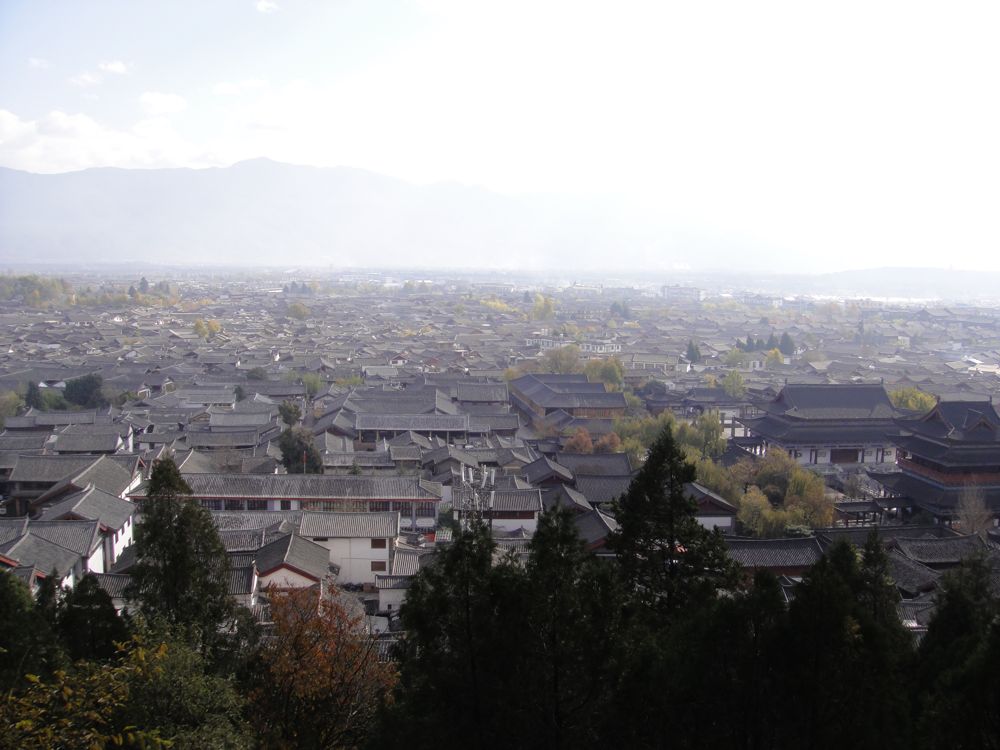
Kunming in the dry season is the answer if you want mild days while the north is in winter. Pack for a warm afternoon and a colder night. The winter article has the January chart. Dali and Lijiang are nearby and not the same station. Lijiang's nights are a separate question, covered with the winter figures. Do not dress for Kunming and assume a higher town matches it.
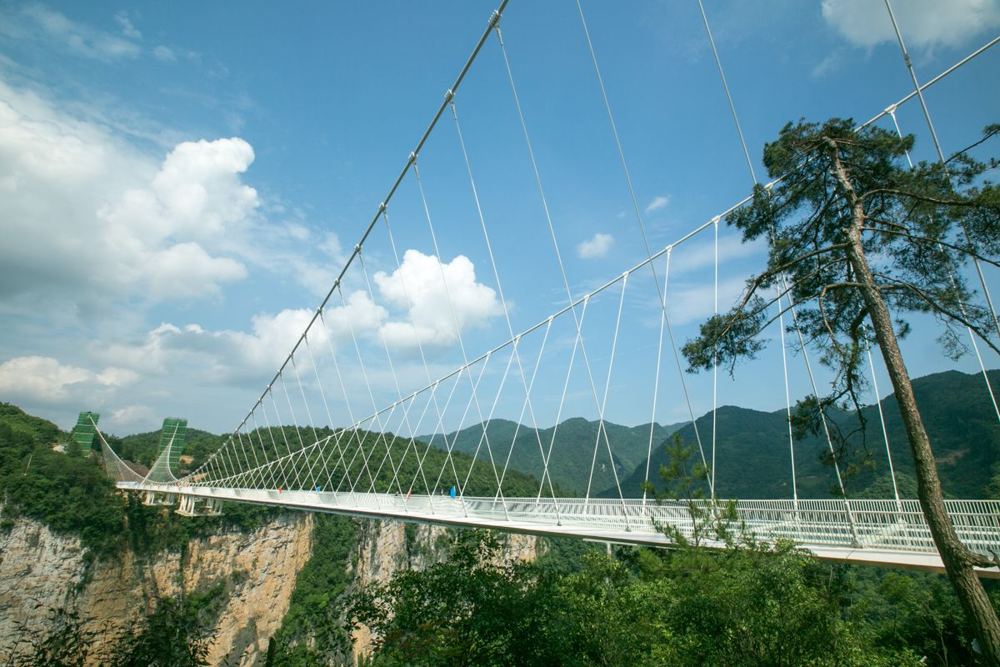
Guilin and Zhangjiajie are not given a new monthly table here. The cover photograph is the Li River. It is not a claim that a particular month is Guilin's best. Use the forecast, and treat cliff paths and river views as weather-dependent.
Official public holidays in 2027
The State Council General Office published the 2027 holiday dates on 5 November 2026 (国办发明电〔2026〕10号). The English summary was posted on the government site the next day. These are days off and make-up working days. They are not a count of visitors, and they are not a calendar of which museums close.
| Holiday | Days off in 2027 | Make-up working days |
|---|---|---|
| New Year's Day | Friday 1 January to Sunday 3 January (3 days) | None in the notice |
| Spring Festival | Friday 5 February to Saturday 13 February (9 days) | Sunday 31 January and Sunday 14 February |
| Qingming | Saturday 3 April to Monday 5 April (3 days) | None in the notice |
| Labour Day | Saturday 1 May to Wednesday 5 May (5 days) | Saturday 8 May |
| Dragon Boat Festival | Wednesday 9 June (1 day) | None in the notice |
| Mid-Autumn Festival | Wednesday 15 September (1 day) | None in the notice |
| National Day | Friday 1 October to Thursday 7 October (7 days) | Sunday 26 September and Saturday 9 October |
The notice calls 5 February lunar New Year's Eve and 13 February the eighth day of the first lunar month. The first day of the lunar year is the day between them, 6 February. The fifteenth day, the Lantern Festival, falls seven days after that eighth day, so 20 February 2027. The notice does not make the Lantern Festival a public holiday.
The notice encourages workplaces and individuals to combine paid annual leave so that people can travel outside the peak. It does not publish a longer Spring Festival travel-rush calendar, and it does not publish visitor numbers. Treat the long breaks as the weeks when trains and the famous gates are hardest to book. A later year needs a new notice. Do not reuse this table for 2028.
Golden Week is the name travellers use for the National Day break. In 2027 that official break is 1–7 October, seven days, with 26 September and 9 October as working days. May Day is the Labour Day break, 1–5 May, with 8 May as a working day. Spring Festival, at nine days, is longer than either.
Monday closing rules do not all pause for a holiday. Check each museum for your dates. The winter article walks through that problem for the February 2027 festival. Trains are booked on the railway's own sale window. How 12306 works with a foreign passport is the booking piece, and the sale-date calculator tells you the first day to look. If the official checkout will not take your card, China high-speed train tickets from a reseller are a fallback. Third-party prices can be higher than the official ticket price. We may earn a commission from this link, at no extra cost to you.
China weather by month
Use this with the region sections above. "Busy" here means a long official holiday, not a measured crowd.
- January. Northern winter. The chart is in the winter guide. The 2027 New Year holiday is the Western one, 1–3 January, three days. Lunar New Year is in February. Sanya's climate text keeps January air and sea averages above 20°C. Kunming is in its dry season.
- February. Spring Festival 2027 runs 5–13 February, with 31 January and 14 February as working Sundays. Book the train on the first morning the sale window allows. Harbin's ice season is a reason to go. Temperatures are in the winter article. The dates officials have named are in the Harbin ice festival guide. Guangzhou's page calls February part of the local spring.
- March. Beijing's spring archive puts the average start at 30 March, so much of March in the capital is still late winter. Do not borrow that date for Guangzhou, where February and March are the local spring. Kunming's spring is warm and dry on its own page, with a large day-to-night range.
- April. Qingming is 3–5 April 2027, a three-day break with no make-up work day in the notice. Beijing is inside its historical spring window. Guangzhou's page has already entered the long local summer. The south-and-east typhoon window in the UK advice starts in May, so April is outside that warning and still worth a forecast check on the coast.
- May. Labour Day is 1–5 May, and Saturday 8 May is a working day. This is the first long break of the warm season. Beijing can still be in spring on the archive dates, which run to 18 May on average. Kunming's wet season and Guangzhou's long summer are both underway. Typhoon season, per the UK advice, starts in May on the southern and eastern coasts.
- June. Dragon Boat Festival is one day, 9 June 2027. Beijing's moist-air season is described as starting around June. Sanya's climate text says June is its hottest month. The south is hot and humid on Guangzhou's page.
- July. Beijing's heaviest rain is in July and August, with thunderstorms. Guangzhou is in the middle of the long summer. Harbin's summer is the short hot season, not a second winter. Coastal trips need the typhoon watch.
- August. The same July pattern continues. There is no official August public holiday in the 2027 notice. Heat and rain are the constraints in the east and south, not a festival date.
- September. Mid-Autumn Festival is one day, 15 September 2027. Sunday 26 September is a working day, ahead of National Day. Beijing's moist-air window is described as running through about September, while the autumn sentence calls the season clear. Hold both, and read the forecast. Kunming is still in the wet season. Guangzhou is at the end of its long summer.
- October. National Day, the Golden Week break, is 1–7 October, with 9 October as a working Saturday. This is the busiest autumn week on the holiday calendar. Beijing's dry-cold air mass is described as taking over from October. Guangzhou's local autumn is October and November. Kunming's wet season runs through October.
- November. Kunming enters the dry season. Guangzhou's local autumn ends. The UK typhoon window runs through November, so a late coastal storm is still in that advice. The north is heading into the winter the other article describes. There is no November public holiday in the 2027 notice.
- December. Use the winter article for temperatures. Guangzhou's page calls December and January the local winter. Sanya's page still does not call it a winter. The next New Year holiday is 1–3 January 2027, already listed above.
How to choose, then how to book
Pick the climate first, then put the holiday table on top of it.
- Palaces, the Great Wall, a dry cold or a clear autumn: Beijing, with April–May or the clearer autumn weeks, and with eyes open for 1–5 May and 1–7 October.
- Ice and a long winter: Harbin. Temperatures are in the winter article. The sites, and the opening day that was still unannounced, are in the Harbin ice festival guide.
- A warm beach: Sanya, any month, with the May–November typhoon watch.
- Mild days and a dry season while the north is cold: Kunming from November to April, and a jacket for the night.
- A long hot humid summer you would rather skip: Guangzhou's April–September, unless heat and rain are acceptable or you are there for something that only happens then.
Paying for trains, meals and tickets is a separate setup. The payment guide is the one to read before you fly. Getting between cities in a holiday week is easier if the ride is already booked. For city hops at the end of a day, the DiDi guide covers the English app, Alipay and WeChat. Street sense, scams and emergency numbers are in is China safe for tourists.
If you want the days built around your cities and dates, generate my itinerary. You can look at a sample first. A custom guide can also check the forecast for your actual dates closer to departure. A climate page cannot do that.
Sources
Holidays: State Council notice on 2027 holidays, 国办发明电〔2026〕10号, 5 November 2026, and the English summary, updated 6 November 2026. The Lantern Festival date above is counted from the notice's own lunar anchors (New Year's Eve on 5 February, the eighth day on 13 February). It is not a separate public holiday in the notice.
Climate, China Weather:
- Beijing climate characteristics, page dated 25 September 2009
- Beijing spring archive, tables through 2017
- Harbin, Guangzhou, Kunming, Sanya
- Shanghai's city-introduction URL was opened the same day and the climate-background section had no paragraph. No Shanghai monthly figures are added here. Winter chart sources for Shanghai and the other cities are listed in the winter article.
Typhoon and flood season: UK FCDO, safety and security, May to November for southern and eastern coasts.
Winter temperatures and the February 2027 museum-Monday problem: China in winter. Harbin ice sites and the dates officials have named: Harbin ice festival guide.
Frequently asked questions
When is the best time to visit China?
There isn't one month for the whole country. Beijing's climate text calls autumn clear and comfortable, with the heaviest rain in July and August, and a spring that on a China Weather archive often runs from about 30 March to 18 May. Guangzhou's page treats April to September as the long hot summer. Kunming's drier months are November to April. Sanya's page says there is no real winter. Put the 2027 holiday table on top of whichever climate you actually want.
What is China like, weather by month?
January and February are winter in the north and still warm in Sanya, with lunar New Year in February 2027. March is late winter in Beijing on the spring archive and already spring in Guangzhou. April and May bring Qingming and the Labour Day break. June to August are the hot, wet months in Beijing and the south, and Sanya's hottest month on its climate page is June. September and October are the autumn window, with National Day on 1–7 October 2027. November starts Kunming's dry season and is still inside the UK typhoon window on the coast. December belongs to the winter guide.
When is Golden Week, and when is May Day in 2027?
China's official National Day break in 2027 is 1–7 October, seven days. Sunday 26 September and Saturday 9 October are working days. That October break is what travellers call Golden Week. Labour Day, the May Day break, is 1–5 May, and Saturday 8 May is a working day. Both dates are from the State Council notice of 5 November 2026.
When is Chinese New Year in 2027?
The official Spring Festival holiday is 5–13 February 2027, nine days. The notice calls 5 February New Year's Eve, so the first day of the lunar year is 6 February. Sunday 31 January and Sunday 14 February are working days. The notice does not publish a longer travel-rush calendar. Trains and famous sights are busy across the nine days.
Is winter a good time to visit China?
It is a good time for a specific climate: ice in Harbin, a dry cold in Beijing, mild dry days in Kunming, or warmth in Sanya. It is a poor time if you wanted one kind of weather for every city. Temperatures, packing and the 2027 Spring Festival dates are written up in the winter guide, which this article points to on purpose. The Harbin ice festival guide covers the ice sites and the dates that were still unannounced.
Want this planned for you?
Build my guide