China in winter: weather from December to February
What winter actually feels like in the cities Nihao Plan covers, from Harbin's deep cold to Sanya's warm coast, plus the 2027 lunar new year holiday.
China in winter is not one climate. In the same week, Harbin is far below freezing, Shanghai is wet and chilly, Kunming has mild afternoons and cold nights, and Sanya is warm enough for the beach. December, January and February are also when the Spring Festival travel rush falls in 2027.
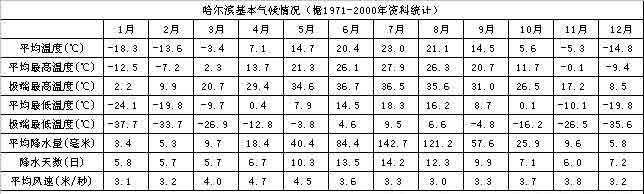
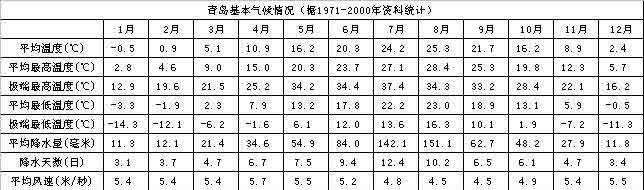
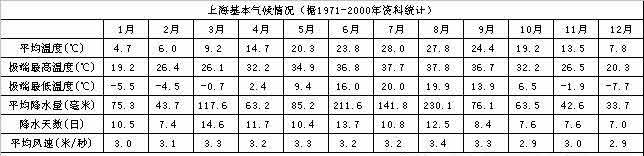
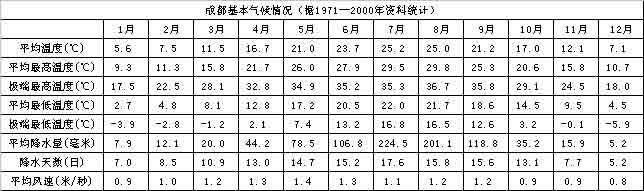
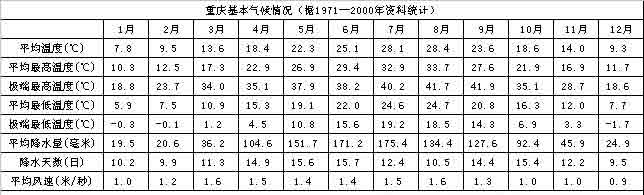
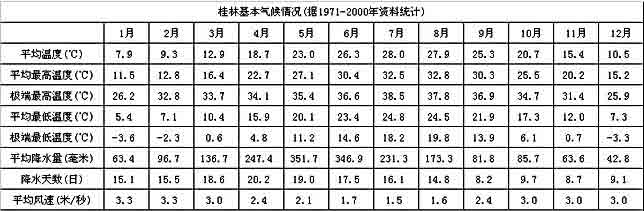
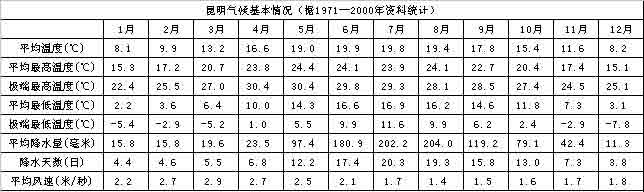
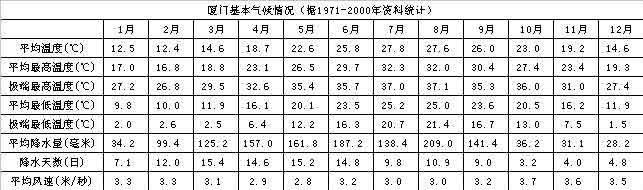
The numbers below are climate normals, not a forecast for your week. They come from the public city climate charts on China Weather, the public site of the China Meteorological Administration. Those charts are labelled 1971–2000. The administration has a newer 1991–2020 dataset for its own services, but these public charts still use the older period. A single winter can be colder than the average, and a mountain station is not the town in the valley. Check a forecast before you pack, and again before you go. A travel data card is one way to open that forecast on your phone after you land. See data-card plans. We may earn a commission from this link. Compare plan terms and price with the provider.
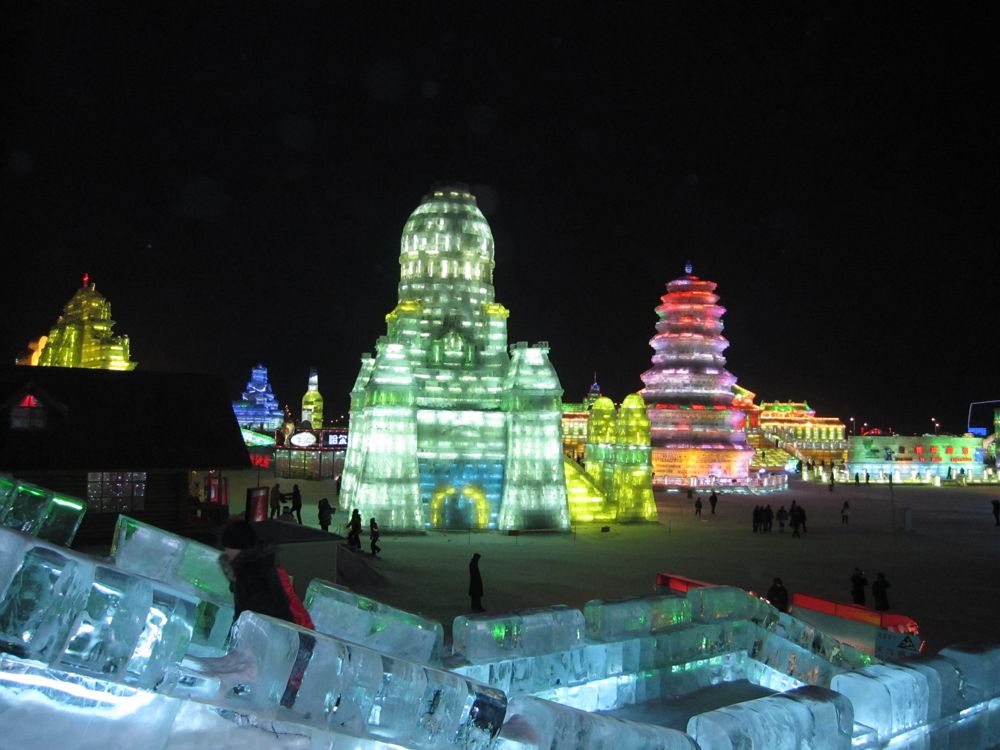
The cover photograph is the 11th Harbin Ice and Snow World, taken in January 2010 (李吉秋, CC BY-SA 3.0). It is not a picture of the 2026–27 park. That edition's opening day is covered further down, and it was not a fixed calendar date when this was written.
How to read the January table
January is the coldest month in most of these cities. "Mean" is the average of the whole day. "High" and "low" are the average afternoon maximum and the average night minimum, not the hottest or coldest day on record. Temperatures are Celsius.
Shanghai's chart publishes a daily mean, extremes, rain and wind. It does not publish average highs and lows, so those cells are blank on purpose. Suzhou's monthly chart was not available on China Weather when these pages were checked. Zhangjiajie's page gives a January mean in a sentence, not a full table. Huangshan's chart is the mountain station, which is colder and windier than the valley towns.
| City | January mean | Average high | Average low |
|---|---|---|---|
| Harbin | −18.3 | −12.5 | −24.1 |
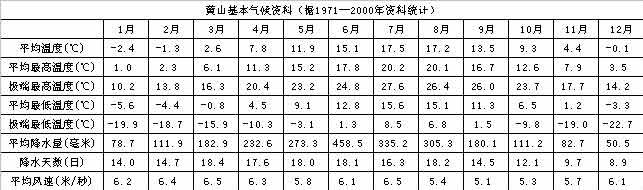
| Huangshan mountain station | −2.4 | 1.0 | −5.6 |
| Beijing | −3.7 | 1.8 | −8.5 |
| Qingdao | −0.5 | 2.8 | −3.3 |
| Xi'an | −0.1 | 4.8 | −3.8 |
| Nanjing | 2.4 | 7.0 | −1.2 |
| Zhangjiajie | about 4 | — | — |
| Hangzhou | 4.3 | 7.9 | 1.4 |
| Shanghai | 4.7 | — | — |
| Chengdu | 5.6 | 9.3 | 2.7 |
| Lijiang | 6.0 | 13.5 | −0.3 |
| Chongqing | 7.8 | 10.3 | 5.9 |
| Guilin | 7.9 | 11.5 | 5.4 |
| Kunming | 8.1 | 15.3 | 2.2 |
| Dali | 8.2 | 15.3 | 2.2 |
| Xiamen | 12.5 | 17.0 | 9.8 |
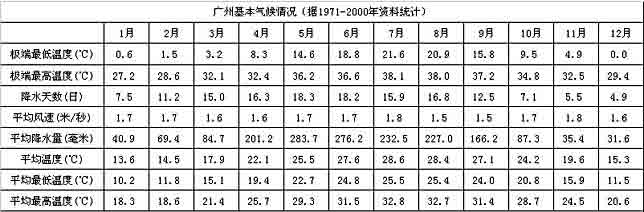
| Guangzhou | 13.6 | 18.3 | 10.2 |
| Shenzhen | 14.9 | 19.6 | 11.6 |
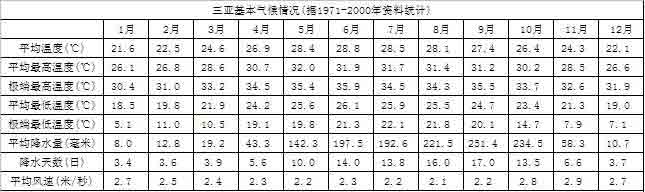
| Sanya | 21.6 | 26.1 | 18.5 |
Suzhou sits in the same lower Yangtze winter as Nanjing and Hangzhou. Without its own chart, do not borrow their exact figures. Check Suzhou's forecast.
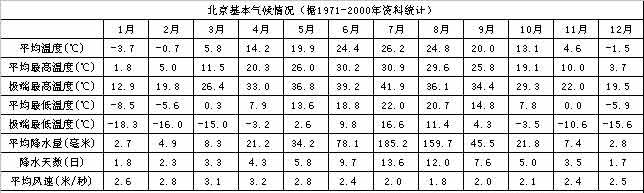
Where December and February were read off the same charts, February is milder than January and December usually sits between them. Harbin's monthly means are about −14.8 in December, −18.3 in January and −13.6 in February. Beijing's are about −1.5, −3.7 and −0.7. Shanghai's are about 7.8, 4.7 and 6.0. Sanya stays warm the whole season: about 22.1, 21.6 and 22.5.
The deep north
Harbin's own climate text calls the winter long and severe, with an average January minimum around −24°C and an extreme that has reached about −38°C. The chart matches that shape: an average low of −24.1 and a recorded extreme of −37.7. Afternoons in January still average −12.5. Snowfall is not a daily event. The chart shows about 3.4 mm of precipitation and 5.8 precipitation days in January. The cold is the story, not constant blizzards.
This is the city to choose if you want ice sculpture, frozen rivers and real winter clothing. It is a poor choice if you want to walk all day in a light coat. See the Ice and Snow World section before you book a flight around a particular opening day. The sites and a short city plan are in the Harbin ice festival guide.
Beijing is cold and dry, not Harbin-cold. January averages 1.8 by day and −8.5 at night, with only 2.7 mm of precipitation and about 1.8 precipitation days. A separate China Weather page for the capital says the January mean on the plains is about −4 to −5°C, a bit colder than the city-station mean of −3.7. Wind and dust show up more than rain. The 4-day Beijing itinerary still works in winter. Last entry at the Forbidden City is earlier, and several parks close sooner. Build the day around those hours.
Xi'an is similar, a step milder: January mean about −0.1, afternoons about 4.8, nights about −3.8. Qingdao is near freezing and windier. The January chart gives an average wind of about 5.4 metres per second, with afternoons only about 2.8 and nights about −3.3. A windproof layer matters there as much as the temperature.
The damp Yangtze
Shanghai, Hangzhou and Nanjing are cool rather than arctic, and they are wetter than Beijing. Shanghai's January mean is 4.7, with about 75 mm of rain and 10.5 rain days. The chart's January extreme low is −5.5, so a cold snap can still put the city below freezing even though the average does not. Hangzhou's January mean is 4.3, the average low is 1.4, and the chart lists about 12.4 precipitation days. Nanjing is a little colder: mean 2.4, average low −1.2.
This is the "damp cold" people argue about. China Weather has described southern winter humidity as making the same air temperature feel colder, while also noting that a large gap in the actual temperature still matters more than humidity. You do not need a Harbin parka. You do need a coat that stays warm when it is wet, and shoes that can handle rain. The 3-day Shanghai itinerary is mostly outdoors on the Bund and in the old city. Those walks are better with a waterproof layer than with an umbrella alone on a windy day.
The Sichuan basin, Guilin and Zhangjiajie
Chengdu's January mean is 5.6, with afternoons about 9.3 and nights about 2.7. Chongqing is milder and cloudier in the averages: 7.8, 10.3 and 5.9. Neither chart shows a snowy winter as the normal pattern. Both are grey often enough that a light down jacket and a rain layer cover most days. Nights hover a few degrees above freezing, not twenty below.
Guilin is similarly mild by day, about 11.5, and cool at night, about 5.4, but much wetter: about 15 precipitation days and 63 mm in January. River and hill views disappear in rain. Plan indoor backups.
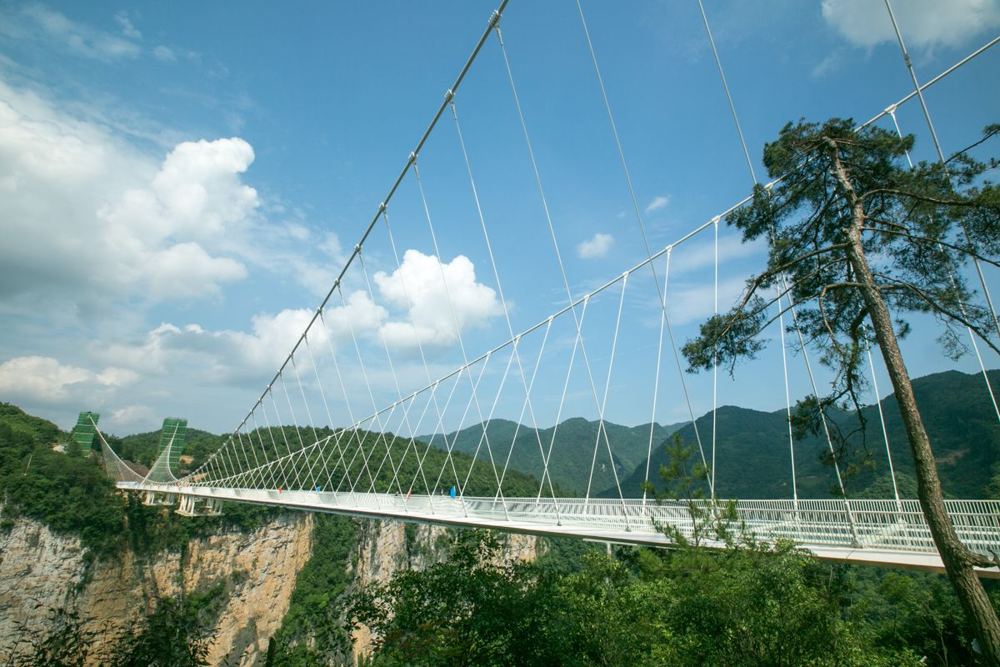
Zhangjiajie's China Weather introduction says the January mean is about 4°C, the July mean about 27°C, and the annual mean about 16°C. It does not split December from February, and it does not list a high and a low. Trails and glass bridges can close for ice or wind. This page cannot tell you which ones. Check the scenic area before you go, and do not treat a 4°C city average as a promise that a cliff path is open.
The southwest plateau
Kunming's climate text says the winter is not severely cold, with plenty of sun and little rain, and that November to April is the dry season. The January chart agrees on the pattern: mean 8.1, afternoon average 15.3, night average 2.2, about 4.4 precipitation days. Dali is close: 8.2, 15.3 and 2.2 in January, and about 10.2 as a February mean. Pack for a warm afternoon and a cold night. A single layer that is right at 15:00 is too thin at 22:00.
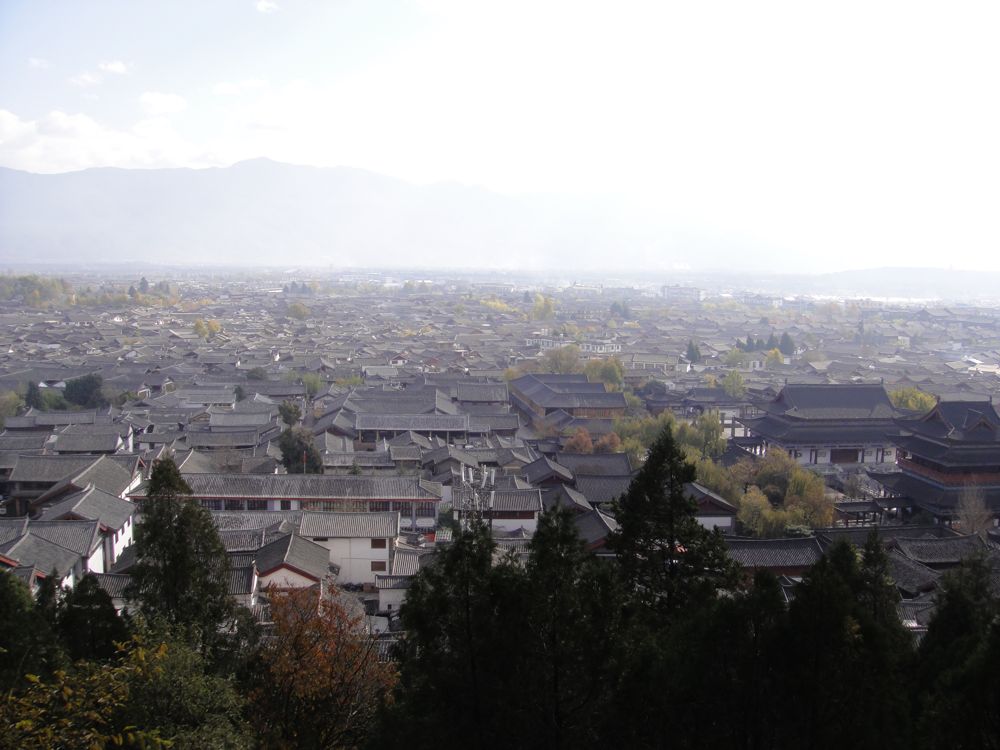
Lijiang is higher and harsher at night. January afternoons average 13.5, but the average low is −0.3, the chart's extreme low is −7.0, and the average wind is about 4.2 metres per second. Precipitation is low, about 2.3 mm. Sun, wind and a freezing night is the normal January, not a snowstorm every day. The old town is walkable. The mountain viewpoints are a different temperature from the town. Check that forecast separately.
The south coast
Guangzhou, Shenzhen and Xiamen are cool-season cities, not winter cities in the northern sense. Guangzhou's January mean is 13.6, with an average high of 18.3 and an average low of 10.2. Its climate text treats December and January as the local winter, and December to March as the drier, cooler part of the year. Shenzhen is a little warmer: January mean 14.9, high 19.6, low 11.6. Xiamen's January mean is 12.5, high 17.0, low 9.8, and February is wetter on the chart, with about 99 mm of rain against January's 34 mm.
A light jacket or a sweater is the usual need. A down parka bought for Beijing will be too much by noon. Evenings and the air-conditioning on a train can still feel cool.
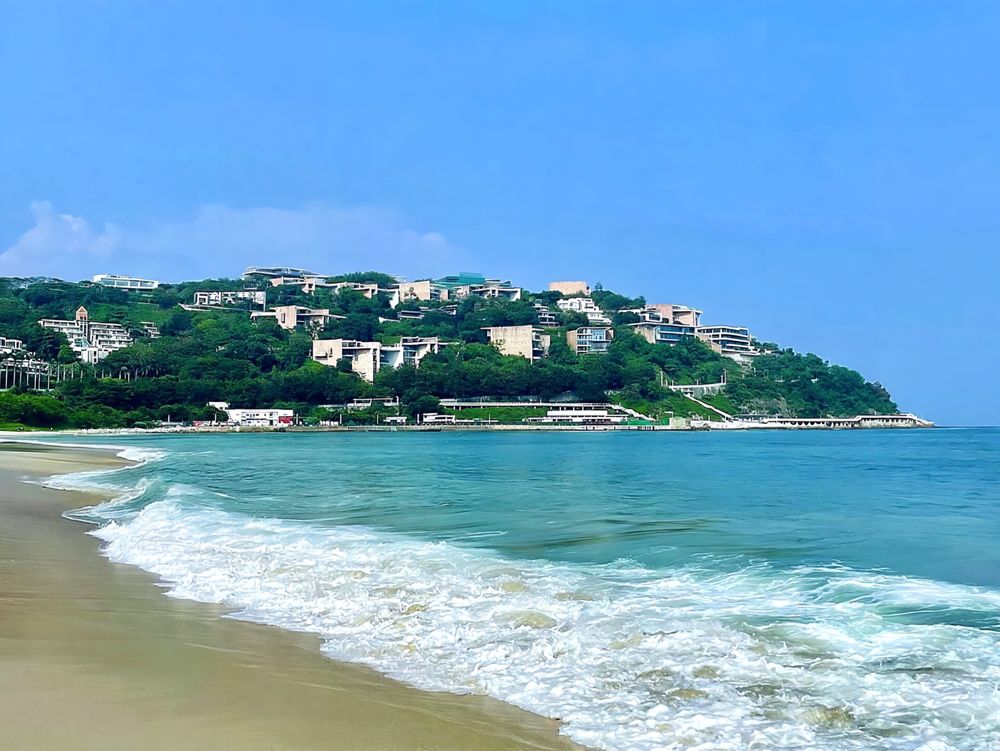
Sanya is the warm end. The climate text says the city has no real winter, and that even in January the average air temperature and the sea temperature stay above 20°C. The chart puts the January air mean at 21.6, the average high at 26.1 and the average low at 18.5, with only about 8 mm of rain. December and February are a little warmer. Bring summer clothes, plus something light for a breezy evening or a cold bus.
Huangshan and other mountains
The Huangshan chart is a summit climate. January's mean is −2.4, the average high is only 1.0, the average low is −5.6, the extreme low on the chart is −19.9, and the average wind is about 6.2 metres per second. January also shows about 14 precipitation days. That is a cold, windy, often wet mountain, not a city stroll.
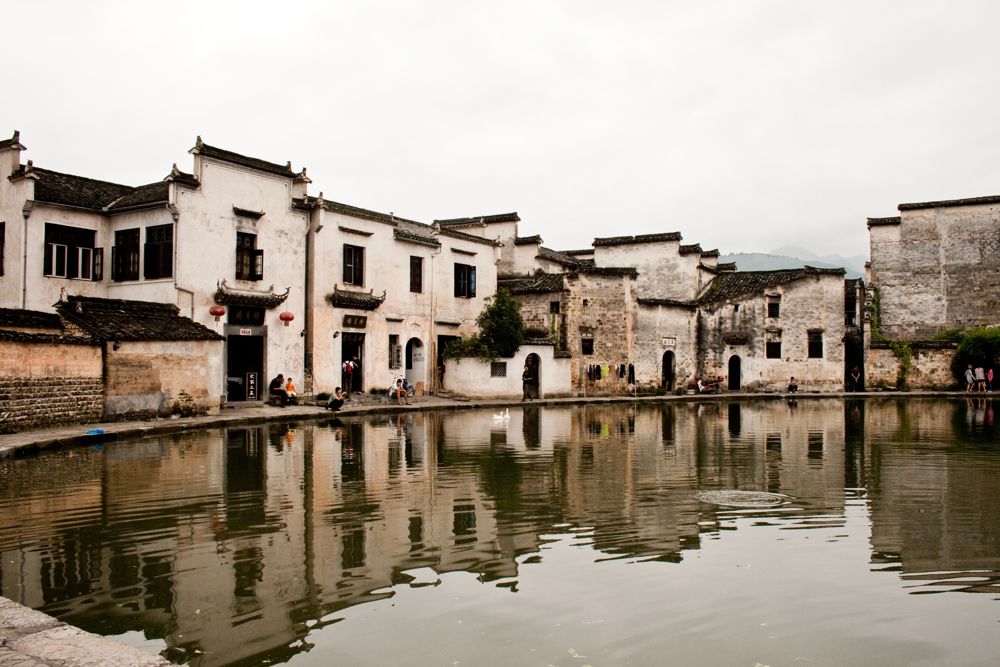
Villages such as Hongcun sit far below that station. Do not dress for the summit and assume the village matches it, or the other way around. China Weather did not serve a usable monthly chart for the valley town when these figures were checked. Use the forecast for the elevation where you will sleep and for the elevation where you will walk. The same caution applies to Zhangjiajie's cliffs and to Lijiang's higher viewpoints.
What to pack
Pack for the coldest place on the itinerary, then add a layer you can take off.
- Harbin: a serious insulated coat, warm hat, gloves, a scarf or face cover, and boots with grip. Average January nights are about −24°C. Fashion trainers are a bad idea on ice.
- Beijing, Xi'an, Qingdao, the Huangshan summit: a warm coat, layers, hat and gloves. Days can creep above freezing, especially in February. Qingdao and the Huangshan station are windy on the charts.
- Shanghai, Hangzhou, Nanjing, Suzhou: a warm waterproof coat and shoes that can handle rain. January in Shanghai and Hangzhou has many wet days. It is not Harbin.
- Chengdu, Chongqing, Guilin: a midweight jacket and a rain layer. Guilin is the wet one.
- Kunming and Dali: a jacket you can remove in the afternoon, and a warmer layer for the night. Lijiang needs that night layer to handle freezing temperatures and wind.
- Guangzhou, Shenzhen, Xiamen: a light jacket or sweater.
- Sanya: warm-weather clothes, with one light layer.
Trains and station halls are a separate temperature from the street. If the trip crosses several of these bands, the 12306 guide is the booking piece, and the sale-date calculator tells you the first day to look. If the official checkout will not take your card, China high-speed train tickets from a reseller are a fallback. Third-party prices can be higher than the official ticket price. We may earn a commission from this link, at no extra cost to you. A custom Nihao Plan guide checks the forecast for your actual dates closer to departure. These averages cannot do that.
Spring Festival 2027
The State Council set the 2027 public holiday in a notice dated 5 November 2026 (国办发明电〔2026〕10号). The English text of the same schedule was posted on the government site the next day.
Spring Festival runs from Friday 5 February to Saturday 13 February 2027, nine days. The notice calls 5 February lunar New Year's Eve and 13 February the eighth day of the first lunar month. The first day of the lunar year is the day between them, 6 February. Sunday 31 January and Sunday 14 February are working days, to make the nine-day break.
That is the official holiday, not a description of every crowd. The notice does not publish a longer Spring Festival travel-rush calendar, and it does not list which museums close. What travellers actually meet is a full railway and full famous sights through the holiday, with tickets opening on the usual 15-day clock. Book the train on the first morning 12306 allows. Read how 12306 sales work before that morning.
Monday closing rules do not all pause for the holiday. In Beijing, Temple of Heaven halls normally close on Mondays except public holidays, while the Forbidden City's checked record is simply "closed Monday", with no holiday exception written in. Look up each site for 5–13 February 2027. Do not assume a palace that is shut on ordinary Mondays will be open, or that a park that opens on holiday Mondays will open every day of the festival.
Entry rules for your passport are in the visa and transit guide. This weather page does not restate them.
Harbin Ice and Snow World in 2026–27
A specific opening day, a ticket price and daily hours for the 28th Harbin Ice and Snow World had not been published on the official pages checked for this article. Do not buy a ticket that pretends the day is already fixed. Visitor details for the park, the other winter sites and a two-to-three-day plan are in the Harbin ice festival guide.
What has been said in public, by officials, is narrower:
- On 12 October 2026, at a Heilongjiang winter-tourism event reported by the provincial government, the 28th edition was confirmed for this winter. The park area was given as 1.25 million square metres, the largest so far, using 400,000 cubic metres of ice and snow. No opening date was included.
- A Heilongjiang government note on the city's 2026–27 ice season describes that season as running from early November 2026 to March 2027. That is the city's season, not a park gate time. The same note lists the 28th Ice and Snow World as one of the projects.
- On 10 November 2026, China National Radio reported a Harbin culture and tourism briefing. The deputy director was quoted as saying the 28th edition would open in mid-December under the theme "Ice and snow, a dream pursued". Mid-December is a window, not a day.
Past seasons have sometimes announced the day only shortly beforehand. Treat any "tickets on sale for 17 December" style listing as unverified until the operator publishes it. The photograph at the top of this article is the 11th edition, from 2010. The sculptures will not look the same.
If the park is the reason for the trip, book a refundable flight, watch the operator's own channels, and keep a second plan for the city. Harbin is worth the cold even if the park opens later than you hoped. It is a bad place to arrive in a jacket meant for Shanghai.
Which cities suit China in winter
Choose from the weather you actually want:
- Ice, snow and serious cold: Harbin. Pack for −20°C nights and wait for a real opening announcement if the ice park is essential.
- Palaces and a dry cold: Beijing or Xi'an. Days are near freezing, nights are well below, and rain is not the main problem.
- A windy sea city near freezing: Qingdao.
- Cool and often wet, with normal city sightseeing: Shanghai, Hangzhou or Nanjing. Add Suzhou only after you check its own forecast.
- Mild, grey, little chance of a deep freeze in the city: Chengdu or Chongqing.
- Mild days, cold nights, drier air: Kunming or Dali. Lijiang if you also want a colder night and more wind.
- Green hills in the rain: Guilin, with indoor backups. Zhangjiajie only if the scenic area confirms the trails.
- Light-jacket weather: Guangzhou, Shenzhen or Xiamen.
- Warm coast: Sanya.
- A mountain winter: the Huangshan summit, as its own climate, not as a stroll from a valley hotel.
The week of 5–13 February 2027 is the noisy version of all of these. If you can move the trip to early December, late February after the 14th, or a mid-January gap, trains and the famous gates are usually easier. That is a planning habit, not a count of visitors from an official crowd table. No such table is cited here.
The sample guide is one way to see how a winter Beijing and Shanghai trip gets written out day by day. To have the days, the stations and the forecast built around your own dates, start at the planner.
Sources
Climate charts, all labelled 1971–2000, on China Weather (China Meteorological Administration public service):
- Beijing, and the plains climate summary (January mean about −4 to −5°C on the plains)
- Harbin and the Harbin climate text
- Qingdao, Xi'an, Nanjing, Hangzhou, Shanghai
- Chengdu, Chongqing, Guilin
- Zhangjiajie climate text (January mean about 4°C; the monthly chart file was not available)
- Lijiang, Kunming and the Kunming climate text, Dali
- Xiamen, Guangzhou and the Guangzhou climate text, Shenzhen
- Sanya and the Sanya climate text
- Huangshan mountain station
Suzhou's chart URL on the same site returned an error page when checked. No monthly Suzhou figures are invented here.
Holiday: State Council notice on 2027 holidays, 国办发明电〔2026〕10号, 5 November 2026, and the English summary.
Harbin ice park: Heilongjiang government, 12 October 2026 on the 28th edition's scale; Heilongjiang government on the 2026–27 city ice season; China National Radio, 10 November 2026, reporting a mid-December window from a city briefing. No operator's opening-day notice was found.
Cover photo: 李吉秋, CC BY-SA 3.0, the 11th Ice and Snow World in 2010. Hongcun: Tom Thai, CC BY 2.0. Dameisha: Nkon21, CC BY-SA 4.0, photographed in May 2023.
Frequently asked questions
How cold is China in December, January and February?
It depends on the city. On the 1971–2000 China Weather charts, Harbin's January mean is −18.3°C, Beijing's is −3.7°C, Shanghai's is 4.7°C, Kunming's is 8.1°C and Sanya's is 21.6°C. February is milder than January in the northern cities. These are averages, not a forecast.
What should I pack for a winter trip to China?
Pack for the coldest stop. Harbin needs an insulated coat, warm boots and face cover. Beijing and Xi'an need a warm coat, hat and gloves. Shanghai and Hangzhou need a waterproof coat more than a parka. Kunming needs a layer you can remove in the afternoon. Guangzhou and Shenzhen need a light jacket. Sanya is warm-weather clothing.
When is Spring Festival in 2027?
China's official holiday is 5–13 February 2027, nine days, under a State Council notice dated 5 November 2026. The notice calls 5 February New Year's Eve. Sunday 31 January and Sunday 14 February are working days. Trains and famous sights are busy across that holiday. A longer travel-rush calendar was not part of the notice.
Is Harbin Ice and Snow World open for 2026–27?
The 28th edition has been officially described as opening this winter, with a park of 1.25 million square metres. A 10 November 2026 briefing, reported by China National Radio, put the opening in mid-December. A calendar day, a ticket price and daily hours had not been published on the official pages checked for this article. Do not treat a reseller's date as the operator's date.
Which cities are best for China in winter?
Harbin if you want deep cold and ice. Beijing or Xi'an if you want dry cold and major sights. Kunming or Dali if you want mild days and can dress for cold nights. Sanya if you want warmth. Shanghai and Hangzhou are fine if you accept rain and a January mean near 5°C. Nanjing is colder than that. They are a poor match if you wanted either snow or beach weather.
Want this planned for you?
Build my guide